
The Visual Revolution in Medicine: Science Medical Illustrations and Medical Animation
Read Time:2 Minute, 54 Second
In an era increasingly defined by visual communication, the fields of medicine and science have found powerful allies in medical illustrations and medical animation. Far from mere aesthetic enhancements, these specialized visual tools have become indispensable for education, research, and patient care, fundamentally transforming how complex biological processes and medical procedures are understood and communicated.
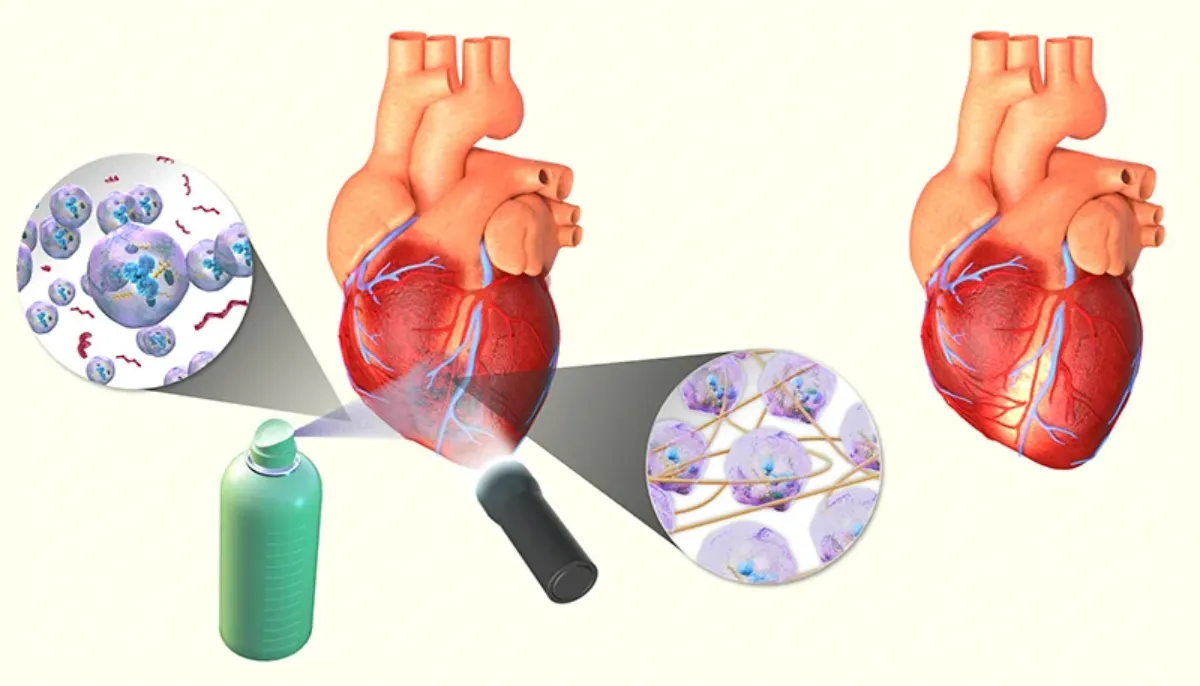
The Precision of Medical Illustrations
Science medical illustrations, often meticulously crafted by skilled artists with a deep understanding of anatomy and physiology, serve as the bedrock of visual medical communication. These static images offer a clarity and precision that written descriptions often struggle to convey.
Key uses and benefits of medical illustrations include:
- Clarifying Anatomy: Illustrating the intricate architecture of a cell, organ, or entire body system.
- Detailing Pathologies: Showing the progression of a disease within the human body.
- Simplifying Complexities: Distilling vast amounts of information into digestible visual formats.
- Educational Foundation: Crucial for textbooks, scientific journals, surgical guides, and diagnostic aids.
- Enhanced Retention: Providing accurate representations that facilitate learning and knowledge retention for students, practitioners, and researchers alike.
- Focused Understanding: The ability of an illustration to freeze a moment in time, highlight specific structures, or abstract complex concepts for easier understanding makes it an unparalleled tool for foundational medical knowledge.
The Dynamics of Medical Animation
Building upon the static power of illustration, medical animation introduces the critical dimension of time and motion. These dynamic visual narratives bring biological processes, surgical procedures, and pharmacological mechanisms to life with unparalleled clarity.
The impact of medical animation is significant in:
- Visualizing Dynamic Processes: Witnessing the precise unfolding of DNA replication, the journey of a drug molecule through the bloodstream, or the step-by-step execution of a minimally invasive surgery – all in vivid, three-dimensional detail.
- Demonstrating Complexities: Excels at showing processes that are inherently dynamic and difficult to grasp from static images alone.
- Immersive Learning: For medical students, animations provide immersive learning experiences that enhance comprehension of physiological functions and pathological changes.
- Surgical Training: For surgeons, they offer invaluable preparation and training tools, allowing them to visualize complex procedures before entering the operating room.
Empowering Patients and the Public
Beyond professional medical circles, both illustrations and animations play a vital role in patient education and engagement. Empowering patients with a clear understanding of their conditions, treatment options, and the mechanisms of prescribed medications is paramount for informed decision-making and adherence to care plans.
How these visuals empower:
- Demystifying Diagnoses: A well-designed medical illustration can simplify a diagnosis, making it less intimidating.
- Explaining Procedures: An animation can visually explain a surgical procedure, alleviating anxiety and fostering trust between healthcare providers and patients.
- Improving Adherence: Increased transparency not only improves patient outcomes but also promotes a more collaborative healthcare environment.
Furthermore, these visual mediums are instrumental in scientific communication and public outreach. They bridge the gap between highly technical scientific research and a broader audience, making groundbreaking discoveries accessible and understandable.
Examples of their use in public outreach include:
- Explaining the latest advancements in gene therapy.
- Illustrating the impact of a new vaccine.
- Disseminating knowledge and fostering public understanding of critical health issues.
In conclusion, science medical illustrations and medical animation represent a visual revolution in medicine. By combining scientific accuracy with artistic expertise, they have become indispensable tools for education, research, patient care, and public engagement. As technology continues to advance, the sophistication and reach of these visual mediums will only grow, further cementing their role in shaping the future of medical understanding and communication.

Happy
25 %

Sad
0 %

Excited
0 %

Sleepy
0 %

Angry
13 %

Surprise
63 %
 0
0
 7
7
More Stories

Enterprise Multi-Accounting: Finding a Reliable Multilogin Alternative
Operating multi-profile workflows across commercial digital platforms requires complete technical independence between concurrent browser sessions. Modern web services deploy complex...

When More Backlinks Stop Helping Your SEO
Backlinks remain one of the most discussed elements of SEO. The logic seems straightforward: if links help a website build...

Employee time tracking without sending your staff’s faces to the cloud
Small businesses in the UK have been running into the same regulatory question over the last few years. You want to...

Best IPTV Players: The Complete 2026 Guide for UK Users
Picture this: it's a Saturday evening, your favourite show is about to start, and the stream freezes. Again. You've tried...

The Future of Global Business: Integrating AI Translation into Workflows
We are entering an era of "borderless business" where a company's success is defined by its ability to tap into...

How to Become a British IPTV Reseller: Panel Setup, Pricing, and Legal Considerations
Marcus had been driving for a delivery platform for two years. Not because he loved it. Because the flexibility suited...