
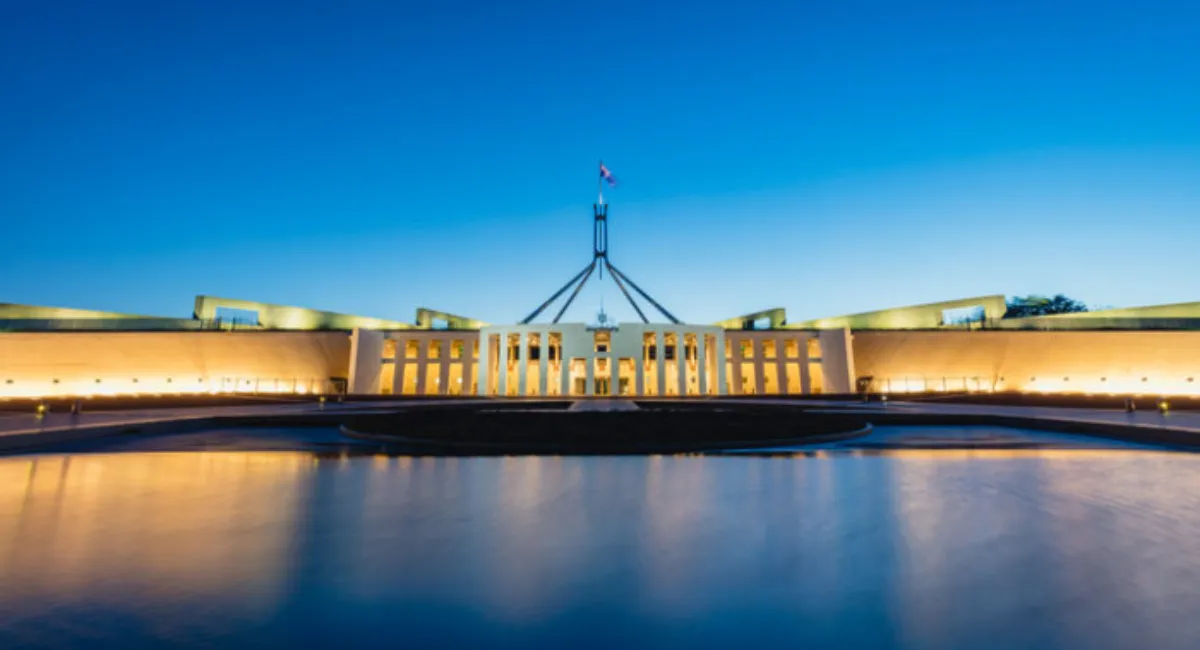
The Future of Sustainable Power Systems in Public Sector Developments
Read Time:4 Minute, 48 Second
The conversation is now all about whole life governance; sustainable outcomes; and the 1.5C global warming target. This indicates a move from a design focus to a much stronger emphasis on robust, easy-to-operate solutions that are delivered as part of project governance and maintained in operation for the duration.
From Energy Consumer To Energy Producer
The first significant change is in its structure. Public buildings have always been located at the end of the power supply chain – they consume energy, pay for it, and when the grid is down, they stop receiving energy. New government buildings are in the process of reversing this model. A building incorporating photovoltaic systems and battery energy storage (BESS) right from the design phase generates its power stores any excess energy, and in some cases can even supply the surplus electricity back to local communities.
This is not a secondary advantage of constructing the building but lies at the core of its very purpose. When the International Energy Agency (IEA) states that the public sector likely consumes between 5% to 10% of total final energy consumption in most developed countries, a change of that scale could be one of the most beneficial tools at a government’s disposal to help a country reach its decarbonisation goals. The argument for transformation is not only environmental but also financial and urgent.
Resilience Isn’t A Feature, It’s A Design Requirement
The term “energy resilience” is often used informally, but in the context of government, it describes the ability of facilities to maintain critical operations when the primary grid is offline. With natural disasters and cyber-attacks both on the rise, grid reliability is increasingly at risk. Major public buildings and facilities, including hospitals, emergency operations centers, and military installations cannot afford to lose power. Energy resilience requires these facilities to be able to island, or disconnect from the grid, and rely on their own backup or locally generated power.
To achieve this, resilience planning and the designing energy systems of government facilities must incorporate the unique characteristics and location of the facility, including microgrid and energy storage technologies. Battery storage is essential for storing excess or locally generated power to support critical functions. PV systems generate power at their maximum capacity only when resources are available (often in the middle of the day), and thus require batteries to store excess for use when the sun is not shining. Smart grid systems that use AI to manage the flow of energy can further improve the efficient use of stored energy when disconnected from the grid.
The Security Dimension Of Sustainable Upgrades
Upgrading power systems in sensitive government facilities is not the same as installing one on a commercial site. There’s no stroll through a gate for a beanie check; access is restricted, clearance requirements are extreme, and constructions schedules and sites are governed by security protocols that override normal timelines.
That’s not an excuse – it’s the reality. And it’s why the expertise of who installs a government project is so vital. Defense electricians working in classified or restricted environments know that solving the engineering problem is only half the battle – the other half is understanding the frameworks that most contractors would never even know existed. Good solar or BESS installers in these environments need expertise in both the tech and what it’s being used for.
Forget that, mix it with a sense of urgency that sees contractors often installed without the clearing they need to be there, and you have the perfect cocktail for security scares, with all the downtime, repairs and embarrassment they bring regardless of how good the solar array or BESS-spec looks.
Future-Proofing For Fleet Electrification
One aspect of government power planning that many people often fail to consider seriously is load growth. The existing switchboards and distribution infrastructure were all built based on the demand patterns of today. The electrification of fleets is about to significantly alter that.
Government vehicle fleets are large. When those vehicles come back to base and plug in – often overnight, often at the same time – the load on the site’s electrical infrastructure is going to get a lot bigger. A site that’s sized for current usage may be completely unsuitable within half a decade if this transition isn’t considered in planning now.
Future-proofing will mean designing your new distribution network with some headroom. It will mean installing that EV charging infrastructure conduit before you need it. It will mean ordering switchboards with some capacity spare and treating the electrification of the motoring fleet as part and parcel of the same exercise as electrifying the building’s energy supply. Doing these things in two bites is always more expensive than getting it all right the first time.
Public-Private Partnerships And The Funding Reality
Most organizations within the public sector can’t afford to, and don’t need to, self-fund these transitions in their entirety. Public-private partnerships are, and will continue to be, the delivery vehicle for wide-scale infrastructure improvements, because they can access the required capital and the necessary technology and innovation. These financiers and developers don’t release funds without a degree of assurance of performance – and this is where energy performance contracting must become more prominent.
So too will these partnerships need to work with an agreed LCA framework. Life cycle assessment has come up in our local work on school buildings consistently as it makes a clear business case for parting with the least carbon – and most cost – over the life of the building. We’ve allowed ourselves to build our infrastructure, only to later be expected to tear it down and build it afresh – whatever government chooses to do with the built-stock hereafter, we don’t need to compound the problem.

Happy
0 %

Sad
0 %

Excited
0 %

Sleepy
0 %

Angry
0 %

Surprise
0 %
 0
0
 0
0
More Stories
How Do Solar Panels Fit Into a Smart Home System?
If you are considering installing solar panels, you may also be wondering how they could fit into a wider smart...

Private Leased Offices in London: How to Plan Space, Costs and Fit-Out
A private lease can give you control of your own suite or floor in London. Before committing, establish which costs...
Why Retention Matters More Than Sales in a Subscription Business
There's a moment that catches out almost everyone running a subscription business for the first time. Month one goes well....
Why Your Employee Handbook Needs an Annual Audit
The handbooks that account for the majority of legal problems aren't visibly outdated. At first glance, they often appear modern...
How to Design a High-Impact Trade Show Booth Without Sacrificing Sustainability
Good design creates less waste. The big savings can be found at the end of the show because that's where...
What is electronic warfare?
In modern combat operations, control over information, communications, and navigation is extremely important. A key element of this confrontation is electronic...