
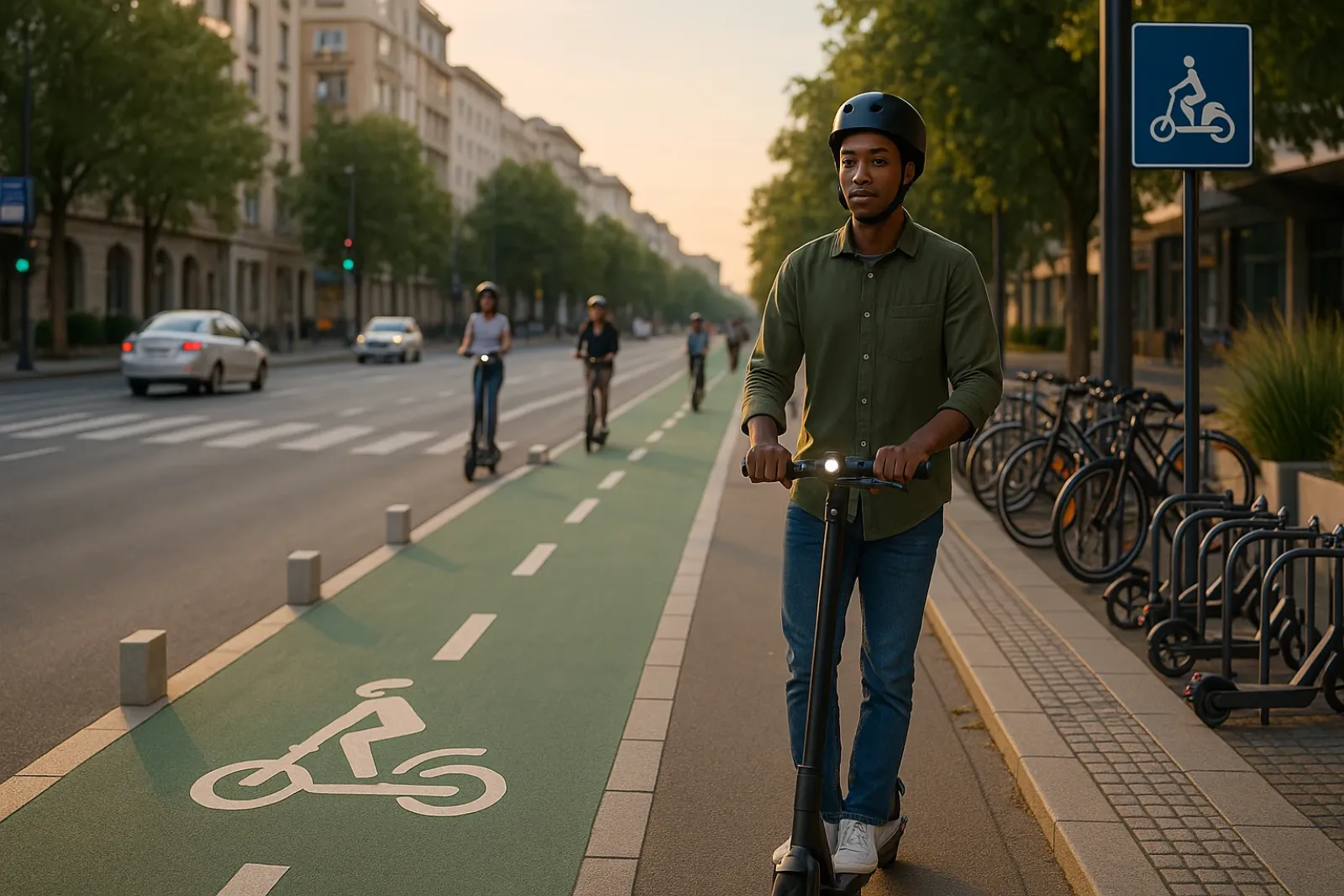
Micromobility and City Planning: How Cities Can Integrate E-Scooters Safely
Read Time:10 Minute, 5 Second
Introduction: the promise—and the responsibility
E-scooters arrived fast. They filled a gap between walking, buses, metros, and private cars. Because they are light, affordable, and easy to park, they can help people cover the “last mile.” Yet cities also face real concerns: sidewalk riding, clutter, injuries, and friction with other street users. Consequently, the right question isn’t whether to allow e-scooters. It’s how to integrate them safely, fairly, and in support of broader city goals.
This guide offers a practical playbook for planners, engineers, and policy teams. It focuses on street design, operations, policy, education, and metrics. For a deep bench of consumer-level guidance on models and riding know-how, resources like ScooterPick.com help residents understand devices and safe practices, which supports city outcomes as well. Moreover, when residents want to see how commuter-friendly scooters behave in the real world, a detailed rider-focused analysis such as the JUICEASE E1 Pro Electric Scooter Review can reinforce local safety campaigns with practical tips from everyday use.
What “safe integration” actually means
Safety is not a slogan. It is a system. Therefore, a city that integrates e-scooters safely treats the following as non-negotiable:
- Predictable street space. Riders know where to ride, and pedestrians know where they won’t.
- Forgiving design. Infrastructure anticipates errors and reduces consequences.
- Clear rules that match the built environment. People follow rules that make sense on the ground.
- Data-informed decisions. Policies adapt as the city learns.
- Equity and accessibility. New options reach everyone, not only dense or affluent areas.
Because these pillars reinforce each other, progress in one area supports the rest. However, gaps in any pillar weaken the entire program.
Why e-scooters matter for city goals
E-scooters align with goals many cities already have:
- First/last-mile access. Riders bridge the gap to transit. Consequently, more trips become car-free.
- Reduced emissions and noise. Short car trips are the easiest to replace. Scooters compete directly here.
- Efficient curb use. Small parking corrals hold many devices. Streets work better for more people.
- Inclusive mobility. With the right pricing and coverage, more neighborhoods gain reliable options.
- Vibrant streets. Active, human-scale travel tends to support local commerce.
Because of these benefits, cities that plan thoughtfully can capture value while reducing risks.
The core challenges cities must address
Although the promise is strong, challenges are real:
- Sidewalk riding. Riders jump to sidewalks when traffic feels unsafe. Therefore, design must prioritize protection.
- Parking clutter. Without guidance, devices sprawl. People trip, and the public gets annoyed.
- Conflicts at intersections. Turning vehicles, poor visibility, and unclear priority create risk.
- Night riding. Low light and fatigue increase crash severity.
- Speed management. Speed feels safe in isolation but dangerous around pedestrians.
- Enforcement friction. Over-policing discourages adoption, while under-enforcement breeds chaos.
Because these pain points are predictable, the strategy should be proactive, not reactive.
Design first: build the safe place to ride
Policy works best on a foundation of good design. Consequently, start here.
Protected micromobility networks
- Physically protected lanes. Separation from traffic lowers risk and reduces sidewalk riding.
- Consistent width. If it feels tight, people wobble or pass dangerously. Provide room for safe overtakes.
- Smooth surfaces. Small wheels and potholes don’t mix. Maintenance matters more than riders realize.
- Continuous design through intersections. Continue the lane across the junction with paint, height, or texture. Drivers notice what the eye can follow.
Safer intersections for small vehicles
- Set-back crossings. Move cross-bike lanes a few meters away from the junction. Turning drivers get more reaction time.
- Leading intervals. Give people on bikes and scooters a head start. Visibility improves, and conflicts drop.
- Tight turn radii. Slow turning cars protect vulnerable users.
Speed management that feels natural
- Self-enforcing geometry. Narrow lanes and raised crossings slow cars without tickets.
- Context-based scooter speeds. In dense pedestrian zones, geofenced “slow areas” help. On protected corridors, higher limits are reasonable.
Because people ride where it feels safest, good design directly reduces illegal or risky behavior.
Parking, curb, and clutter management
Even a great network fails if devices block doorways. Therefore, manage parking with intention.
- On-street scooter corrals. Convert a few curbside car spaces. Mark them with paint and vertical posts.
- Near-destination placement. Position corrals where trips actually end: transit stops, schools, medical centers, and commercial nodes.
- Digital geofencing for parking. Require in-app photo verification and end-ride only inside designated zones.
- Accessible clear paths. Maintain ADA-compliant sidewalks and curb ramps. Keep devices out of tactile paving areas.
- Rapid rebalancing rules. Operators should move mis-parked scooters fast. Response time SLAs keep public trust.
With clear zones and quick cleanup, complaints fall—and voluntary compliance rises.
Policy and operations that match the street
Rules should fit the local context. Consequently, keep them simple, enforceable, and aligned with safety.
- Operating hours. Night-time caps make sense where lighting is poor or nightlife traffic is intense. Elsewhere, 24/7 service supports shift workers.
- Fleet management. Tie fleet size to performance (safety rates, parking compliance, and service coverage). Good outcomes earn growth.
- Graduated speed limits. Use 10–15 km/h in high pedestrian areas, 20–25 km/h on protected corridors, and standard limits elsewhere.
- No-ride and slow zones. Near waterfront promenades, stadium gates, and school campuses, lower speeds reduce conflict.
- Insurance and incident reporting. Require baseline coverage and an easy city-facing incident feed. Transparency builds trust.
Because consistency matters, publish rules in plain language and reinforce them with street signs and in-app prompts.
Data sharing, privacy, and meaningful KPIs
Data can solve problems; however, it must be handled responsibly.
- Standardized feeds. Use common formats for availability and trips so tools interoperate smoothly.
- Privacy-by-design. Aggregate data for planning. Limit precision in public releases to prevent re-identification.
- KPIs that matter. Track crashes per 100k trips, helmet adoption in campaigns, mis-park rates, rebalancing response time, ridership by neighborhood, and connections to transit.
- Open dashboards. Share performance with the public. When people see improvements, support grows.
Because sunlight and accountability go together, clear metrics keep operators and agencies aligned.
Education, culture, and communication
Rules and lanes won’t work without a culture of respect. Therefore, invest in people, not only pavement.
- New-rider onboarding. In-app tutorials before first unlocks teach basics quickly.
- Helmet and lights campaigns. Give vouchers or discounts for safe gear. Visibility at dusk is as important as speed limits.
- Targeted outreach. Partner with campuses, employers, and neighborhood associations. Tailor messages to real trip needs.
- Clear etiquette. “Ride in lanes. Yield at crossings. Park in corrals.” Simple phrases stick.
Because behavior change takes repetition, combine incentives, friendly reminders, and occasional penalties.
Equity and accessibility from day one
Micromobility should serve the entire city. Consequently, build equity into the contract, not as an afterthought.
- Coverage requirements. Ensure fleets reach lower-income and historically under-served neighborhoods.
- Discount programs. Offer reduced fares for eligible residents, students, and seniors.
- Cash and SMS options. Not everyone has a smartphone or credit card. Alternative access expands inclusion.
- Adaptive devices. Encourage or require operators to pilot seated or adaptive options where feasible.
- Safe storage at social-service sites. Corrals at clinics, community centers, and libraries close real access gaps.
Because equity improves outcomes and legitimacy, it deserves funding and visible leadership.
Integrating scooters with transit and land use
Scooters thrive when linked to transit. Land use shapes those links.
- Mobility hubs. Combine scooter corrals, bike racks, lockers, bus stops, and info boards. Wayfinding reduces friction.
- Fare integration pilots. Explore bundled passes with transit agencies. One payment lowers barriers.
- Station-area design. Provide wide curb ramps, lighting, and direct connections to protected lanes.
- Zoning incentives. Encourage developers to include scooter parking and charging in new projects.
Because integration makes the entire system more useful, riders choose the safe path more often.
Procurement, contracts, and accountability
The contract is your lever. Therefore, align incentives with safety and service.
- Performance-based extensions. Good safety and parking scores unlock longer permits or bigger fleets.
- Penalty structure that teaches. Graduated penalties and mandatory corrective action plans drive improvement.
- Public service obligations. Require community events, safety classes, and transparent reporting.
- Right-sized vendor count. Too many operators create clutter; too few reduce competition. Balance is better than extremes.
Because contracts set the tone, write them to reward the outcomes you want.
Measuring impact and reporting progress
You cannot manage what you don’t measure. Consequently, set a clear evaluation plan.
- Before/after studies. Compare mode share, car trips, and travel times in pilot corridors.
- Crash and conflict analysis. Look beyond totals to location patterns and causes. Fix sites, not only behavior.
- Accessibility audits. Check curb ramps, sidewalk widths, and corrals regularly with disability advocates.
- Customer satisfaction. Survey riders and non-riders. Track trust, perceived safety, and clarity of rules.
Because learning never stops, treat evaluation as part of operations, not a one-off exercise.
A 12-month roadmap cities can follow
Months 0–2: Listen and map
- Hold listening sessions with residents, disability groups, schools, and small businesses.
- Map high-injury network segments and likely first/last-mile corridors.
- Draft preliminary rules and identify near-term “quick build” designs.
Months 3–5: Quick safety wins
- Install temporary protected lanes using posts and paint on priority links.
- Mark 50–100 scooter corrals near transit, schools, and commercial nodes.
- Launch a small pilot with geofenced slow zones and parking verification.
Months 6–8: Expand and educate
- Upgrade popular quick-build lanes with better protection.
- Run a helmet-and-lights campaign with distribution events at mobility hubs.
- Publish a public dashboard with KPIs and monthly parking compliance scores.
Months 9–12: Lock in accountability
- Adjust fleet sizes based on performance and equity coverage.
- Convert high-use lanes to permanent protection (concrete separators where feasible).
- Renew contracts with performance-based terms and clear equity obligations.
Because this timeline balances speed and care, cities can show results while refining details.
Frequently asked questions from city teams
Where should scooters ride—street or sidewalk?
On the street, ideally in protected micromobility lanes. Sidewalk riding drops when people feel safe in the carriageway.
Do we need charging docks?
Not always. Swappable batteries and field teams can work well. However, small dock pilots at mobility hubs can reduce clutter and ease operations.
What about winter or rain?
Weather reduces use, but coherent networks and non-slip surfaces maintain core ridership. Seasonal rules can adapt if needed, yet infrastructure quality matters year-round.
How many operators are ideal?
Enough to ensure coverage and competition, but not so many that management becomes chaos. Tie fleet caps to performance to find the right level.
Should we ban scooters on certain promenades?
In very high pedestrian areas, slow zones or time-based restrictions may make sense. Design the attractive alternate route first.
A concise policy checklist
- Design and maintain protected lanes on the key network.
- Mark plentiful, visible corrals and require photo-verified parking.
- Use context-based speed limits and geofenced slow/no-ride zones.
- Tie fleet size to performance on safety, equity, and parking.
- Share privacy-aware data and publish public dashboards.
- Fund education and gear incentives; measure behavior change.
- Bake equity into permits: coverage, pricing, and alternative access.
- Integrate with transit hubs and land-use policy.
- Run a 12-month pilot with quick builds, then iterate.
- Renew contracts with performance-based extensions.
Because every bullet influences the others, treat the checklist as a package, not a menu.
Conclusion: design for the behavior you want
Safe micromobility doesn’t happen by accident. It happens because cities design for it, operate for it, and communicate for it. With protected lanes, smart parking, clear rules, thoughtful data use, and an equity lens, e-scooters can reduce car dependence, improve access, and enliven streets without sacrificing safety.
Finally, remember the cultural side. Residents need simple rules, visible lanes, and clear places to park. Riders need to feel seen, protected, and welcome. Businesses need predictable curb space. When all of that aligns, the safest choice becomes the most convenient choice—and people will choose it again and again.

Happy
0 %

Sad
0 %

Excited
0 %

Sleepy
0 %

Angry
0 %

Surprise
100 %
 0
0
 7
7
More Stories

Lamborghini Urus vs Rolls-Royce Cullinan: Which Luxury SUV Rental Wins in Miami
The luxury SUV rental market in Miami has frozen around two cars: Lamborghini Urus and the Rolls-Royce Cullinan. They are...

How to Pass the Car Driving Theory Test in the UK on Your First Attempt
Passing the driving theory exam is a vital step toward getting a full driving licence in the United Kingdom. Every...

Used Car Buying Guide UK: How to Avoid Scams and Hidden Damage
You’ve found it. The one. Gleaming under the perfect light of a seller’s camera, the car you’ve been searching for...

The Best Way to Travel with Kids: Private Transfer from Munich to Legoland
Planning a family trip to one of Germany’s most iconic amusement parks? If you’re arriving in Munich or already exploring...

How to Book a Helicopter Transfer from the Airport ?
Traveling can often be a stressful experience, especially when it comes to airport transfers. However, booking a helicopter transfer can...

Discover the Wonders of Israel: Top Destinations and Travel Tips
Israel is a captivating destination that seamlessly blends ancient history with modern innovation. From its world-renowned archaeological sites to vibrant...