
Factors that shape farmland prices
Read Time:2 Minute, 6 Second
The price of farmland in Ukraine is influenced by various factors, including natural conditions, legal aspects, infrastructure and broader economic dynamics. As the land market is still relatively new, pricing is in the process of stabilising and many factors play a decisive role in determining land value.
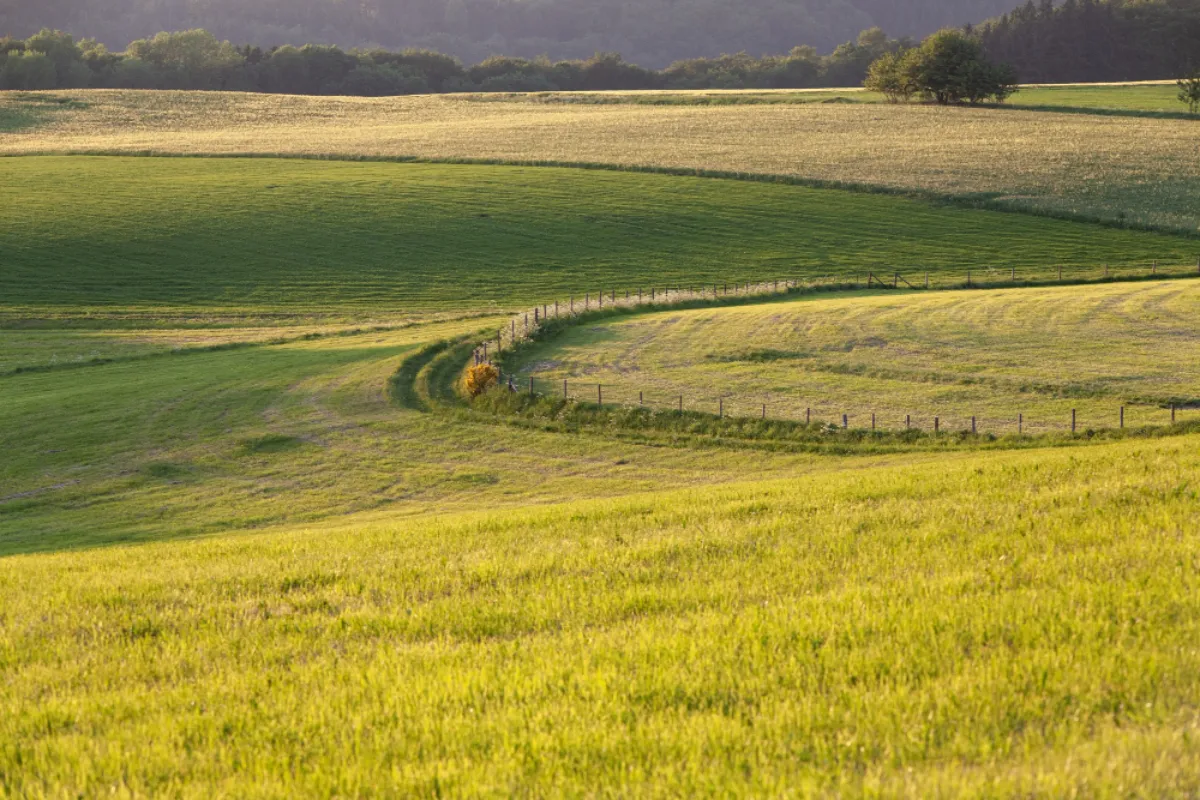
One of the most significant of these is soil fertility. Ukraine is renowned for its black chernozem soils, which are among the most fertile in the world. Land with a high organic content and a nutrient-rich structure commands higher prices because it guarantees greater yields with lower input costs. Conversely, plots with degraded soil, erosion or lower productivity are less valuable.
Location and accessibility also have a strong impact on land prices. Land plots https://largos-real.com/en/buyers/farming-en/ situated near transport hubs, such as highways, railways or ports, are more valuable due to the easier logistics of moving crops. Proximity to processing facilities, grain elevators and large urban centres also increases demand. Conversely, remote fields lacking reliable road access or infrastructure tend to be cheaper, despite having similar soil quality.
The availability of infrastructure also plays an important role. Land with established irrigation systems, drainage or a reliable electricity supply tends to be more expensive than undeveloped plots. In southern and eastern regions, where access to water can be an issue, irrigated land is particularly valuable.
Another major influence is the legal status and ownership documentation. Plots of land with clear titles, registered ownership and no disputes over boundaries are far more attractive to buyers. In contrast, land with an unclear ownership history, pending inheritance claims or incomplete cadastral records will sell for less as it carries additional legal risks.
The size and consolidation of land plots also affect pricing. Larger, consolidated plots are in higher demand from commercial farms and agribusinesses as they allow for efficient mechanisation and reduce production costs. Smaller, fragmented plots are less desirable, especially if they are surrounded by land owned by different individuals, which makes large-scale farming difficult.
Regional agricultural potential has to be taken into account. Areas in central Ukraine with optimal climatic conditions for grains, oilseeds and other cash crops typically have higher land prices than less productive or more arid zones.
Finally, broader economic and political factors also play a role. Market demand, commodity prices, currency stability and geopolitical risks can all affect investor confidence and therefore land values. Prospective buyers carefully assess all these elements to determine the immediate and long-term value of an agricultural investment.

Happy
0 %

Sad
0 %

Excited
0 %

Sleepy
0 %

Angry
14 %

Surprise
86 %
 0
0
 6
6
More Stories
What is electronic warfare?
In modern combat operations, control over information, communications, and navigation is extremely important. A key element of this confrontation is electronic...

Sukkah
Finding the perfect Sukkah for your family shouldn't be a stressful experience. At Prime Sukkah, we believe that celebrating Sukkot...

Strategic Spiritual Guidance: Identifying the Right Moment to Work with a Spiritual Healer
There comes a moment in human experience when familiar ways of understanding no longer suffice. The mind, once convinced of...

The Future of Sustainable Power Systems in Public Sector Developments
The conversation is now all about whole life governance; sustainable outcomes; and the 1.5C global warming target. This indicates a...

How a British Company Can Collect a Debt from a Norwegian Company
For British exporters, Norway is a stable and attractive market. However, even in well-regulated jurisdictions, late payment and non-payment occur....

Breaking Through Blocks with Spiritual Mentorship
Spiritual growth is often about stopping, pausing, and facing what keeps us stuck. Whether it's emotional pain, limiting beliefs, fear,...