
How to Choose a Memorial Keepsake for a Loved One?
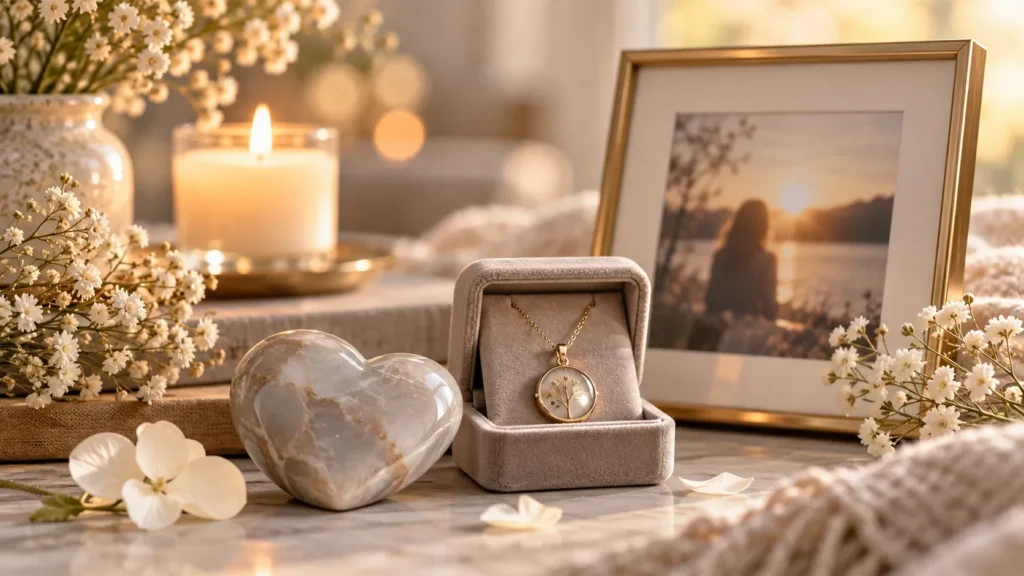
Choosing a memorial keepsake for a loved one is a deeply personal decision. After losing someone important, even ordinary objects can take on new meaning. A photograph, a handwritten note, or a small personal belonging may become a powerful reminder of shared experiences. Memorial keepsakes offer a way to preserve these connections and keep meaningful memories close.
Today, remembrance can take many forms, from traditional jewelry and engraved objects to contemporary memorials created using cremation ashes. Those exploring personalized options can learn more at https://spogads.com/keepsakes-from-ashes. Another option involves stones made from the ashes of people and pets, offering a tangible form of remembrance that can be kept close or displayed in a meaningful place.
What Is a Memorial Keepsake and Why Does It Matter?
A memorial keepsake is an object preserved or created to honor the memory of someone who has died. Unlike a conventional decorative accessory, it carries a personal connection to an individual, a relationship, or a particular period of life. Keepsakes can incorporate photographs, names, meaningful dates, handwriting, personal belongings, or materials associated with the deceased.
The purpose of a memorial keepsake is not to replace the person who has died or eliminate the pain of loss. Instead, it provides a physical reminder of an ongoing emotional bond. For some people, touching or seeing a familiar object brings comforting memories to mind. Others appreciate having a designated place for remembrance, especially during anniversaries, birthdays, or other meaningful occasions.
Types of Memorial Keepsakes to Consider
Memorial keepsakes vary in appearance, materials, purpose, and degree of personalization. Understanding the available options can help narrow the choice according to personal preferences and the type of remembrance you want to create.
Memorial Jewelry
Memorial jewelry is a popular choice for people who want a discreet reminder they can carry throughout the day. Necklaces, pendants, bracelets, rings, and lockets can feature engraved names, initials, dates, fingerprints, or symbolic designs. Some designs incorporate a photograph or a small compartment intended to hold a memorial substance or personal memento.
When selecting memorial jewelry, consider the durability of the material, comfort, and maintenance requirements. If the jewelry contains ashes or another irreplaceable material, the security of its closure or setting deserves particular attention.
Keepsakes Made from Cremation Ashes
For families who have chosen cremation, keepsakes incorporating a portion of the ashes offer another way to establish a tangible connection with the deceased. Depending on the manufacturing process, ashes may be placed inside an object, incorporated into a decorative material, or transformed through a specialized production method.
These keepsakes can take the form of memorial stones, jewelry, glass objects, or other customized pieces. Their appearance and composition vary considerably, so it is important to understand exactly how the ashes are used.
Before ordering, ask the provider how much material is required, whether any unused ashes will be returned, and how the ashes are identified throughout production. Clear procedures for receiving, handling, and tracking memorial material are particularly important because the process may be irreversible.
Personalized Photo Keepsakes
Photographs provide one of the most direct connections to personal memories. A favorite image can preserve a familiar expression, a joyful occasion, or an ordinary moment that has become especially meaningful after a loss.
Photo albums, framed portraits, miniature photo lockets, engraved photo plaques, and custom memory books are accessible forms of remembrance. Digital photo frames can also display collections of images, allowing family members to revisit different periods of a loved one’s life. When choosing a photograph, emotional significance may matter more than technical perfection.
Memory Boxes and Personal Belongings
A memory box creates a dedicated space for objects associated with the person who died. Letters, postcards, photographs, small accessories, tickets, and other personal belongings can be collected without permanently altering them.
This approach is particularly suitable when several objects carry emotional importance or when family members are not ready to decide what to preserve permanently. For long-term storage, choose materials that help protect the contents from moisture, excessive sunlight, and physical damage.
Engraved Memorial Objects
Engraved objects can preserve a name, meaningful date, personal message, or quotation in a relatively permanent form. Common examples include wooden boxes, metal plaques, decorative stones, glass ornaments, and small sculptures. A familiar expression, a short message, or the coordinates of a meaningful location may carry more emotional significance than a generic memorial inscription.
How to Choose a Memorial Keepsake That Feels Personal?
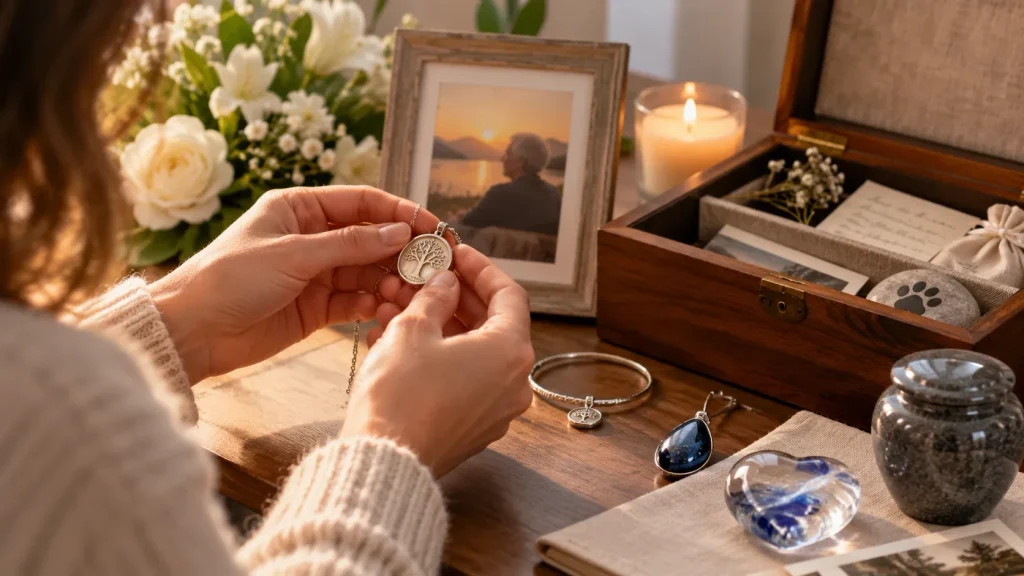
With so many options available, selecting a keepsake can feel overwhelming. Rather than beginning with the product itself, consider the memories and qualities you most want to preserve. This approach shifts attention from appearance and price toward personal meaning.
Think About Your Relationship with the Person
Every relationship has its own history. A keepsake honoring a parent may represent guidance, protection, or shared family traditions. A memorial for a partner might reflect companionship and important experiences together. When remembering a friend, a meaningful object could reference a shared hobby, a favorite destination, or an inside joke.
Ask yourself which memories arise most naturally when you think about the person. Perhaps you remember their handwriting, the way they laughed, their favorite flower, or a particular place you visited together. Such details can guide the design without requiring an elaborate or expensive object.
Consider the Person’s Personality and Values
A memorial keepsake can reflect the personality of the person who died. Someone who appreciated simplicity might be represented through a minimal design, while an individual with an expressive personal style might be remembered through a colorful or distinctive piece.
Consider their interests, values, and relationship with meaningful possessions. If they cared deeply about nature, a natural material or a keepsake displayed in a garden may feel appropriate. If they valued family connections, an object intended to be shared or passed between generations could carry particular significance.
Choose Between Private and Visible Remembrance
Some people prefer a memorial they can keep close without attracting attention. Others appreciate displaying photographs or personalized objects where family members and visitors can see them. A small pendant, pocket stone, or folded handwritten note may offer private remembrance, while a framed photograph or memorial sculpture can create a visible space for reflection.
Important Factors to Evaluate Before Buying a Memorial Keepsake
Emotional meaning is central to choosing a memorial, but practical considerations also matter. A keepsake should be suitable for its intended use and made with sufficient care to preserve its appearance and integrity over time.
Before making a final decision, evaluate several essential characteristics:
- Material quality: Consider how the selected material responds to handling, light, moisture, temperature changes, and everyday wear.
- Personalization options: Check whether names, dates, photographs, handwriting, symbols, or other meaningful details can be included.
- Size and portability: Decide whether the keepsake should be worn, carried, displayed, or stored securely.
- Maintenance requirements: Ask how the object should be cleaned, protected, and stored without damaging its surface.
- Production process: For custom or ashes-based keepsakes, understand how the object is created and whether modifications are possible.
- Delivery and packaging: Confirm estimated production times and shipping arrangements for fragile memorial items.
- Provider transparency: Look for clear explanations of materials, customization limits, return policies, and procedures for handling irreplaceable personal materials.
These considerations become particularly important when a keepsake involves cremation ashes, original handwriting, or another item that cannot easily be replaced. A reliable provider should be willing to explain the process and clarify what the finished product will contain.
How to Personalize a Memorial Keepsake
Personalization can transform an ordinary object into a distinctive reminder of a particular person. However, meaningful customization does not require multiple inscriptions or decorative elements. Sometimes a single carefully chosen detail is enough.
Names, Dates, and Personal Messages
Names and important dates are among the most familiar memorial inscriptions. They provide a clear connection to the individual and can be especially appropriate for items intended to remain in the family.
Short personal messages allow a more individual approach. A few words associated with the person’s character or a phrase they often used may evoke a specific memory. Before approving an engraving, verify spelling, punctuation, dates, and the arrangement of the text.
Symbols and Meaningful Designs
Symbols offer another way to communicate remembrance without relying on long inscriptions. Flowers, trees, birds, stars, waves, and other natural images may represent personal interests or shared experiences. A mountain outline might recall memorable hiking trips, while a musical note could honor someone who loved music.
Religious or spiritual symbols can also be appropriate when they reflect the beliefs of the deceased or the person receiving the keepsake. The most important consideration is whether the design has a genuine personal connection.
Handwriting, Fingerprints, and Personal Details
Some customized keepsakes reproduce actual handwriting, signatures, fingerprints, or other distinctive personal details. These elements can feel particularly intimate because they preserve recognizable characteristics associated with the deceased.
If you have a handwritten letter or card, a short phrase may be suitable for engraving. When working with original documents or irreplaceable materials, use copies whenever possible and confirm whether the provider needs to receive the original item.
Choosing a Memorial Keepsake for Different Loved Ones
The relationship between the deceased and the person receiving the memorial can influence which keepsake feels appropriate. Although there are no fixed rules, considering personal memories and preferences can help make the choice more thoughtful.
Memorial Keepsakes for a Parent or Grandparent
Remembering a parent or grandparent often involves family traditions, childhood experiences, and a sense of personal history. A keepsake incorporating a familiar photograph, handwritten recipe, signature, or meaningful household object can preserve these connections. Family memory books can also combine photographs with stories contributed by relatives.
Memorial Keepsakes for a Partner or Spouse
A keepsake honoring a partner may reflect the intimacy of a shared life. Important dates, travel memories, personal messages, or symbols associated with the relationship can provide a starting point. Some people prefer to continue wearing a familiar piece of jewelry, while others choose a newly created memorial object.
Memorial Keepsakes for a Friend
Friendships are often remembered through shared activities, humor, conversations, and experiences that may not appear in formal family records. A photograph from an ordinary day, a meaningful location, or a short phrase understood by close friends may create a personal tribute.
Memorial Keepsakes for a Beloved Pet
Pets occupy an important place in many households, and their deaths can bring a profound sense of absence. Memorial keepsakes for animals may include photographs, engraved tags, paw-print impressions, personalized ornaments, or objects incorporating cremation ashes.
When choosing a pet memorial, think about the routines and experiences that defined your relationship. A favorite walking route, a familiar sleeping place, or a distinctive habit might inspire a meaningful design.
How to Choose a Memorial Keepsake as a Sympathy Gift?
Giving a memorial keepsake to someone who is grieving requires sensitivity. Even a thoughtful gift may not be welcome at every stage of bereavement, and personal preferences can vary significantly.
Before selecting a memorial gift, consider how well you know the recipient and whether they have expressed interest in physical reminders of the deceased. If you are uncertain, a simple gesture or an offer to help create a keepsake later may be more appropriate than ordering a highly customized product immediately.
When choosing a memorial gift, these principles can help guide the decision:
- Respect the recipient’s preferences: Consider whether they enjoy displaying personal objects or prefer private forms of remembrance.
- Avoid assumptions about grief: Do not expect the gift to provide emotional closure or change how the person experiences their loss.
- Choose meaningful personalization: Use accurate names, dates, and details that reflect a genuine relationship.
- Be careful with cremation ashes: Never use another person’s ashes for a memorial product without appropriate permission.
- Consider timing: A memorial gift may be appreciated months or years after a death rather than immediately following the funeral.
- Allow the recipient freedom: Make it clear that there is no obligation to display, wear, or use the keepsake.
A memorial gift should communicate care rather than create expectations. The recipient may choose to keep it privately, use it occasionally, or store it until they feel ready. Respecting that choice is an important part of offering support.
Common Mistakes to Avoid When Selecting a Memorial Keepsake
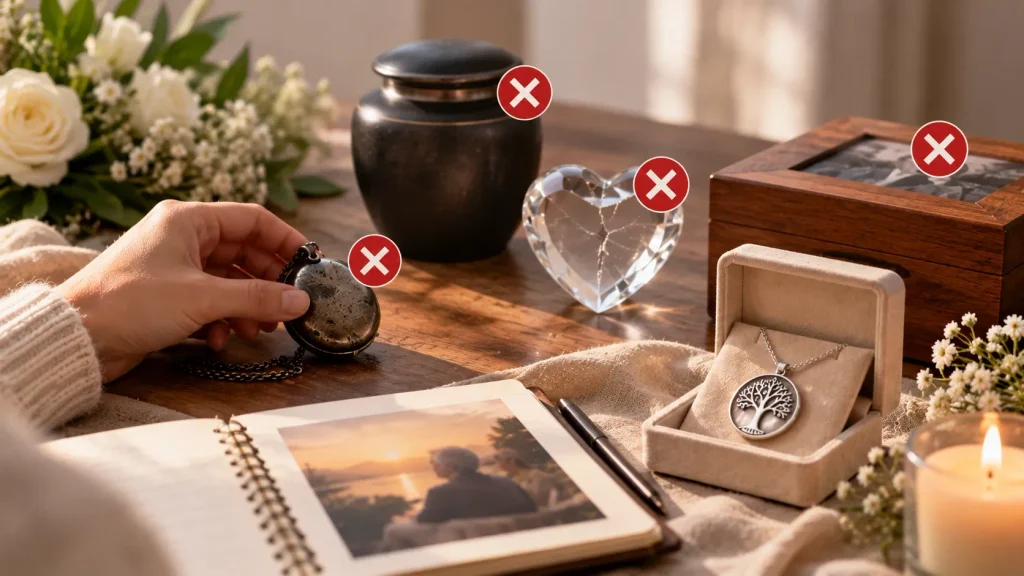
Because memorial keepsakes carry emotional significance, purchasing decisions may feel unusually important. Taking time to evaluate the available options can help prevent practical problems and reduce unnecessary pressure.
Making a Decision Too Quickly
There is no fixed deadline for creating a memorial keepsake. Some people know immediately what they want, while others need time to understand which objects or memories feel most significant. If the decision involves altering irreplaceable belongings or using cremation ashes, consider postponing permanent changes until you feel comfortable with the choice.
Focusing Only on Appearance
An attractive product may initially seem appealing, but appearance alone does not guarantee that it will serve its intended purpose. A delicate accessory might be unsuitable for daily wear, while an oversized decorative object may not fit comfortably into the intended living space.
Overlooking Material and Production Details
Memorial products can differ significantly in construction and quality. Before ordering, review descriptions carefully and ask about materials, finishes, cleaning recommendations, and any limitations affecting long-term use. For keepsakes incorporating ashes, confirm whether the process involves encapsulating, mixing, or transforming the material.
Ignoring Family Preferences
Family members may have different ideas about how to preserve a loved one’s memory. One person might favor cremation keepsakes, while another may prefer an untouched urn or the preservation of original belongings. When a decision involves shared possessions or remains, respectful discussion is important.
How to Care for and Preserve a Memorial Keepsake?
Proper care can help protect a memorial keepsake from avoidable damage. The recommended approach depends on its materials, construction, and intended use.
Jewelry should generally be stored according to the material’s requirements and protected from unnecessary impact, aggressive chemicals, and abrasive cleaning methods. Some finishes, adhesives, gemstones, and memorial inserts require additional precautions, so the manufacturer’s instructions should take priority.
Photographs, letters, and paper-based keepsakes benefit from protection against direct sunlight, excessive humidity, and unsuitable storage materials. Acid-free folders and archival-quality containers may be appropriate for particularly valuable documents.
Place memorial stones, glass objects, and engraved pieces in secure spots, and check whether they are suitable for outdoor use.
Conclusion
Choosing a memorial keepsake for a loved one is less about finding a perfect object and more about understanding which memories you want to preserve. Jewelry, photographs, engraved objects, memory boxes, and keepsakes created from cremation ashes each offer different possibilities for remembrance. Their meaning comes from the personal experiences and relationships they represent.
There is no single correct way to honor someone who has died. If you are considering a personalized memorial keepsake, explore the available approaches, ask questions about the creation process, and select an option that feels meaningful to you. The most meaningful memorial honors your loved one and the memories you cherish.
Related articles
 Business
Lifestyle
Why Sublimation Printing Is the Best Choice for High-Quality Custom Apparel
Most imperfections observed in prints are not related to the design but to chemistry. For instance, screen prints crack because the ink…
Read more General
Lifestyle
Strategic Spiritual Guidance: Identifying the Right Moment to Work with a Spiritual Healer
There comes a moment in human experience when familiar ways of understanding no longer suffice. The mind, once convinced of its own…
Read more Lifestyle
How the illusion of abundance prevents us from falling in love
The developers of dating apps assured us that their arrival would solve the problem of loneliness once and for all. No more…
Read more Lifestyle
Office Wall Art That Works: Styling & Size Guide
Collection Spotlight Office Wall Art That Works: Calm Focus, Confident Style, Better Workdays The right office wall art can transform a desk…
Read more Lifestyle
How to Store Your Jewelry for Long-Term Brilliance
Jewelry reflects who we are — moments we’ve lived, people we love, and how we express ourselves. From handcrafted pieces by a…
Read more Lifestyle
The truth about frontals (and why most people get them wrong)
Let’s be real, the first time I tried a frontal, I had no idea what I was doing. I thought, “Glue it…
Read more