
Top 7 Cross-Chain Crypto Bridges in 2025: The Essential Tools for a Connected Blockchain World
Read Time:6 Minute, 24 Second
Introduction: A New Era of Blockchain Interoperability
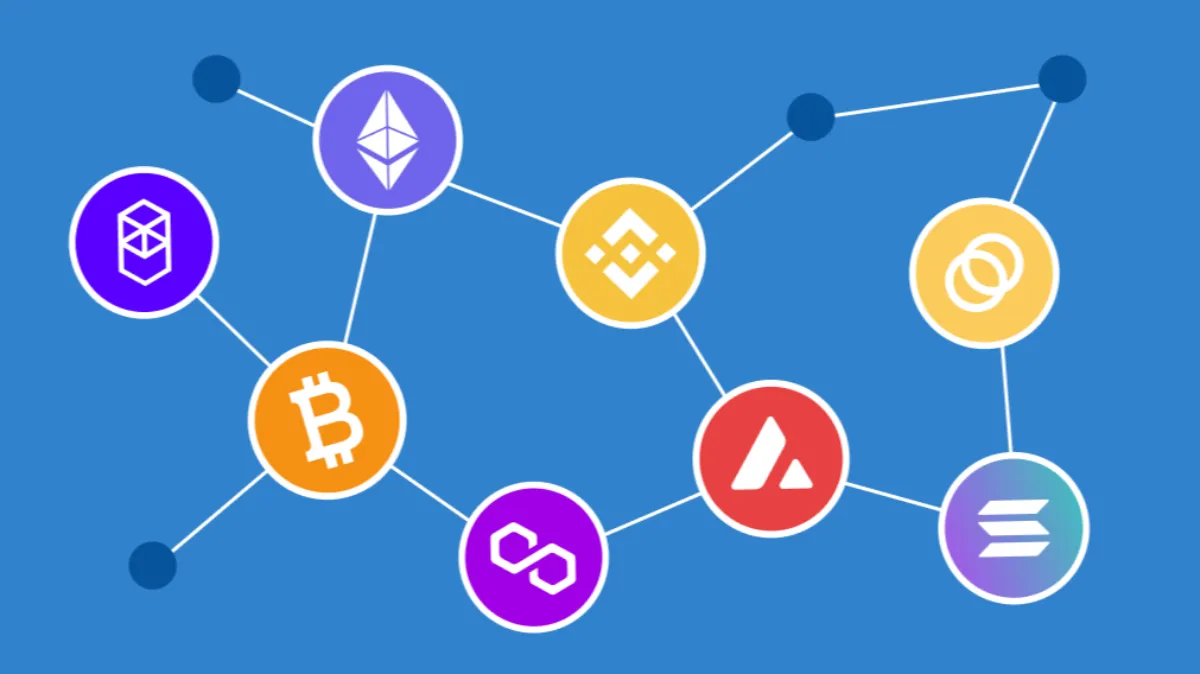
As we step further into 2025, the blockchain industry continues to mature, and one of the most important developments in this evolution is the widespread adoption of cross-chain interoperability. We no longer live in a world dominated by a single blockchain. Ethereum, Binance Smart Chain, Polygon, Avalanche, Solana, Arbitrum, and a growing number of Layer 1 and Layer 2 solutions each serve unique purposes in the broader ecosystem. But while the expansion of blockchain networks increases opportunities, it also creates silos.
Cross-chain crypto bridges have emerged as the key infrastructure that connects these fragmented ecosystems. By enabling users to move assets and data across chains, these bridges https://defiway.com/bridges/ are becoming the lifelines of decentralized finance, NFTs, gaming, and Web3 applications. They eliminate the need for centralized exchanges and enable true decentralization across platforms.
In this article, we’ll take a look at the top 7 cross-chain crypto bridges in 2025 https://defiway.com/blog/top-cross-chain-crypto-bridges, highlighting what makes each one stand out. At the top of our list is Defiway, which sets a new standard for speed, security, and user experience in the cross-chain space.
1. Defiway: A Leader in Safe, Simple, and Fast Cross-Chain Transfers
Defiway has emerged as the number one choice for users looking for a reliable and user-friendly bridge between major blockchains. Designed with everyday users in mind, Defiway makes cross-chain transactions fast, transparent, and affordable—without sacrificing security.
The platform supports popular networks like Ethereum, BNB Chain, Polygon, Arbitrum, Avalanche, and more. Transactions are processed within seconds, with low fees and high success rates. Unlike many other bridges that feel complicated or clunky, Defiway’s interface is clean and simple to use, even for newcomers.
Defiway uses smart contract-based mechanisms to lock and mint assets in a way that’s fully auditable and secure. It also includes monitoring systems that reduce the risk of failed or delayed transactions. Whether you’re moving tokens for trading, participating in DeFi, or accessing a dApp on another chain, Defiway is designed to make it seamless.
With continued development, growing ecosystem integration, and top-tier customer support, Defiway is setting the bar for cross-chain infrastructure.
Key Benefits:
- Clean, intuitive user interface
- Low fees and fast transactions
- Supports major blockchain networks
- Strong focus on transparency and security
- Excellent for beginners and experienced users alike
2. Synapse Protocol: Stablecoin Swaps Made Easy
Synapse Protocol has positioned itself as a dependable bridge for transferring stablecoins like USDC, USDT, and DAI across major blockchains and Layer 2 networks. It uses a liquidity pool model that eliminates the need for wrapped tokens and reduces slippage.
Because of its low transaction fees and fast execution, Synapse is often the preferred choice for DeFi users who need to move capital quickly between ecosystems. It also supports cross-chain messaging, giving developers tools to build complex multi-chain applications.
Synapse is easy to use, and its clean interface makes it suitable even for less technical users. If you’re working with stablecoins or using protocols across L2s, Synapse is a bridge worth having in your toolkit.
Best For:
- Stablecoin transfers
- Ethereum and L2 interoperability
- Minimal slippage and quick execution
3. Multichain: Massive Coverage, Proven Performance
Formerly known as Anyswap, Multichain remains a cornerstone of the cross-chain ecosystem. With support for over 60 chains and thousands of token pairs, it provides unmatched blockchain coverage.
Multichain uses a secure multi-party computation (MPC) protocol for asset transfers, offering strong protection against smart contract risk. It’s also trusted by hundreds of DeFi platforms that rely on its services for liquidity and interoperability.
Because of its breadth and depth, Multichain is ideal for advanced users or institutions that require access to a wide variety of assets across networks. However, it may feel more complex for beginners compared to some newer platforms.
Highlights:
- Largest number of supported chains
- Robust and battle-tested infrastructure
- Ideal for institutional and DeFi integrations
4. Stargate Finance: Bridging with Native Assets
Stargate, powered by LayerZero, introduces a significant advancement in how tokens are moved across chains. It enables native asset transfers without using wrapped versions. For instance, users can transfer USDC from Ethereum to Avalanche and receive USDC—not a wrapped substitute.
This unified liquidity model also means fewer delays and a better user experience. Stargate is especially attractive to traders, yield farmers, and liquidity providers who benefit from its high-speed execution and zero-slippage architecture.
Thanks to its simple interface and powerful backend, Stargate continues to gain popularity among retail and institutional users alike.
Top Features:
- Native token bridging (no wrapped tokens)
- High liquidity with instant settlement
- Powered by secure LayerZero protocol
5. Wormhole: A Multi-Asset, Multi-Chain Powerhouse
Wormhole offers much more than just token bridging. It supports NFTs, smart contract messaging, and even governance interactions across chains. Initially developed to connect Solana and Ethereum, Wormhole now links a wide range of networks including BNB Chain, Polygon, Avalanche, Sui, and Aptos.
It uses a network of decentralized guardians that verify transactions before executing them, creating a balance between security and decentralization. Developers also use Wormhole to build cross-chain applications and DAOs.
While Wormhole has faced security challenges in the past, it has improved significantly and remains one of the most flexible bridge solutions available.
Advantages:
- Cross-chain support for tokens, NFTs, and governance
- Strong developer tools and integrations
- Expanding support for newer L1s
6. cBridge by Celer Network: Lightning-Fast and Low-Cost
Celer’s cBridge is an excellent choice for users focused on speed and affordability. It is particularly optimized for Ethereum Layer 2s like Arbitrum, zkSync, and Optimism, enabling nearly instant and gas-efficient transfers.
cBridge uses a liquidity-based model that avoids the need to lock and mint tokens. It also supports more than 30 chains, making it a strong competitor in terms of reach and reliability.
Thanks to its simple API and detailed documentation, cBridge is also popular among developers integrating cross-chain functionality into their applications.
Use Cases:
- Quick, low-cost Layer 2 transfers
- Broad network compatibility
- Developer-friendly tools and integration
7. Across Protocol: Optimistic, Fast, and Ethereum-Native
Across Protocol takes a slightly different approach to bridging. It relies on optimistic relayers who front liquidity for users, enabling faster transaction completion. These relayers are later reimbursed after verification, ensuring both speed and safety.
Across is focused on Layer 2 networks and Ethereum, making it a great choice for users active in ecosystems like Arbitrum and Optimism. It supports small and large transactions and charges minimal fees thanks to its efficient architecture.
Its clean interface and Ethereum-first design have made it a favorite among serious DeFi users.
Notable Features:
- Optimistic model for fast transfers
- Excellent for L2-to-Ethereum interactions
- Low fees and strong reliability
Conclusion: The Future of Crypto Is Multi-Chain—and These Bridges Make It Possible
Cross-chain bridges are no longer just optional tools—they are essential infrastructure for the modern blockchain user. From trading and liquidity farming to gaming and NFTs, the ability to move assets across ecosystems quickly and securely opens up entirely new possibilities.
The best bridge for you depends on your needs: Defiway for the most seamless and secure overall experience, Synapse for stablecoins, Stargate for native asset swaps, and Multichain for vast chain coverage. But above all, Defiway stands out for delivering speed, simplicity, and reliability in one well-designed package.
As blockchain adoption continues to grow, users and developers alike will rely even more on powerful cross-chain solutions. Choose the right bridge today and become part of a truly interoperable Web3 future.

Happy
0 %

Sad
0 %

Excited
0 %

Sleepy
0 %

Angry
0 %

Surprise
100 %
 0
0
 6
6
More Stories

MeccaCoin and the Human Layer of Web3: How Meme Tokens Create Meaning in Decentralized Spaces
As the crypto ecosystem matures, it is becoming increasingly clear that technology alone does not drive adoption. While blockchains provide...

Crypto Prop Trading Firms in 2025: How Funded Trading Is Transforming Crypto Into a Professional Career
Crypto trading is no longer just an experimental activity for early adopters or a high-risk hobby for retail traders. In...

Top UK Crypto Exchanges Without KYC in 2025: Buy Crypto Anonymously
As regulatory pressure intensifies and centralized platforms tighten identity verification protocols, many users in the UK are actively seeking alternative...
Charting Turkey’s Omni Coin Prices: Tips and Tricks for MEXC Users
Why has crypto become popular in Turkey? In recent years, Turkey has witnessed a significant surge in cryptocurrency adoption, driven...