
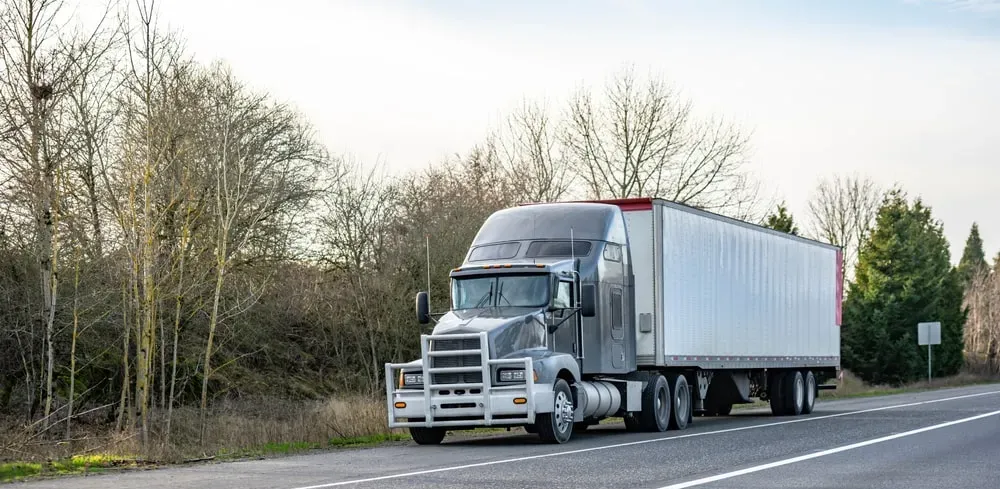
Step-by-step instructions for obtaining your DOT and MC numbers
Read Time:3 Minute, 12 Second
Navigating the world of commercial transportation can feel overwhelming, especially when it comes to complying with federal regulations. Two of the most critical requirements for operating a trucking or freight business in the United States are obtaining a DOT (Department of Transportation) number and an MC (Motor Carrier) number. These identifiers are issued by the Federal Motor Carrier Safety Administration (FMCSA) and are essential for legal operation.
If you’re new to the industry or just starting your business, this step-by-step guide will walk you through the process of obtaining your DOT and MC numbers, ensuring you stay compliant and ready to hit the road.
Step 1: Determine If You Need a DOT Number
Not every business requires a DOT number, so your first step is to determine if your operations fall under FMCSA jurisdiction. Generally, you’ll need a DOT number if:
- Your vehicles weigh over 10,000 pounds.
- You transport hazardous materials.
- You operate across state lines (interstate commerce).
- You transport passengers for compensation.
If your business meets any of these criteria, proceed to the next step.
Step 2: Gather Required Information
Before starting the application process, gather all the necessary information to streamline your submission. You’ll need:
- Your business name and address.
- The type of cargo you’ll be transporting.
- Details about your vehicles (e.g., number of trucks, weight, and type).
- Your USDOT number (if you already have one).
- Your Operating Classification (e.g., motor carrier, broker, freight forwarder).
Having this information on hand will save you time and prevent delays.
Step 3: Apply for Your DOT Number
To apply for a DOT number, visit the FMCSA’s Unified Registration System (URS) at https://urs.fmcsa.dot.gov. Follow these steps:
- Create an account on the URS portal.
- Complete the online application form, providing all required details about your business and operations.
- Submit the application.
There is no fee for obtaining a DOT number, and processing times can vary. Once approved, you’ll receive your DOT number, which must be displayed on your vehicles.
Step 4: Determine If You Need an MC Number
An MC number is required if you plan to operate as a for-hire carrier, transport regulated commodities, or engage in interstate commerce. If your business falls into one of these categories, you’ll need to apply for an MC number in addition to your DOT number.
Step 5: Apply for Your MC Number
The MC number application is also completed through the FMCSA’s URS portal. Here’s how to proceed:
- Log in to your URS account.
- Select the option to apply for operating authority (MC number).
- Provide additional details about your business, including your operating classification and insurance information.
- Pay the required fee (currently $300 for most applicants).
After submitting your application, the FMCSA will review it. Processing times can take several weeks, so plan accordingly.
Step 6: Obtain the Necessary Insurance
Before your MC number is approved, you’ll need to provide proof of insurance. The FMCSA requires specific levels of coverage depending on your operations. Contact a licensed insurance provider to secure the appropriate policy and submit the required forms (e.g., BMC-91 or BMC-84) to the FMCSA.
Step 7: Complete New Entrant Safety Audit (If Applicable)
If you’re a new entrant to the industry, the FMCSA will require you to undergo a safety audit within your first 12 months of operation. This audit ensures your business complies with safety regulations. Prepare by maintaining accurate records, ensuring proper vehicle maintenance, and training your drivers.
Step 8: Display Your Numbers and Stay Compliant
Once you’ve received your DOT and MC numbers, display them on your vehicles as required by law. Additionally, stay compliant by:
- Updating your information with the FMCSA every two years.
- Maintaining proper insurance coverage.
- Adhering to safety regulations and record-keeping requirements.

Happy
0 %

Sad
0 %

Excited
0 %

Sleepy
0 %

Angry
0 %

Surprise
100 %
 0
0
 6
6
More Stories
Lamborghini Urus vs Rolls-Royce Cullinan: Which Luxury SUV Rental Wins in Miami
The luxury SUV rental market in Miami has frozen around two cars: Lamborghini Urus and the Rolls-Royce Cullinan. They are...

How to Pass the Car Driving Theory Test in the UK on Your First Attempt
Passing the driving theory exam is a vital step toward getting a full driving licence in the United Kingdom. Every...
Used Car Buying Guide UK: How to Avoid Scams and Hidden Damage
You’ve found it. The one. Gleaming under the perfect light of a seller’s camera, the car you’ve been searching for...

The Best Way to Travel with Kids: Private Transfer from Munich to Legoland
Planning a family trip to one of Germany’s most iconic amusement parks? If you’re arriving in Munich or already exploring...

Micromobility and City Planning: How Cities Can Integrate E-Scooters Safely
Introduction: the promise—and the responsibility E-scooters arrived fast. They filled a gap between walking, buses, metros, and private cars. Because...

How to Book a Helicopter Transfer from the Airport ?
Traveling can often be a stressful experience, especially when it comes to airport transfers. However, booking a helicopter transfer can...