How Professional Data Recovery Helps Jewelry Businesses Protect Valuable Designs, Customer Records, and Digital Inventory
Listing ID: 256468 2026-11-06
sa, Aïn Feka, Algeria - 454544
- Phone
- 9878978978
- Website
- https://jetdatarecovery.com/
- [email protected]
Business description
The jewelry industry combines creativity, craftsmanship, and detailed business management. From custom engagement ring designs and gemstone photographs to supplier invoices, inventory databases, customer orders, and product catalogs, jewelry businesses depend on digital information to manage many aspects of their operations. Independent jewelers, jewelry manufacturers, wholesalers, and online retailers often store years of valuable business information on computers, external hard drives, and cloud-connected systems. When a storage device suddenly fails or essential files disappear, the resulting disruption can affect production schedules, customer service, and everyday business decisions.
Digital records have become particularly important as jewelry companies expand their online presence and introduce computer-aided design tools into their creative processes. A lost design file may contain detailed measurements that took hours to develop, while a damaged inventory database may make it difficult to confirm which items are available for sale. Understanding how data loss occurs and how professional recovery services can help gives jewelry businesses a practical starting point for protecting their digital assets.
## Why Modern Jewelry Businesses Depend on Accurate Digital Records and Design Files
Jewelry businesses manage much more information than the photographs displayed in a storefront or online catalog. A single custom piece may involve customer measurements, design sketches, gemstone specifications, metal selections, pricing calculations, production instructions, and multiple rounds of revisions. Keeping these records organized allows jewelers to communicate clearly with customers and ensure that finished products match approved designs.
Digital design software has also changed how many jewelers develop and manufacture their products. Computer-aided design files may include intricate shapes, precise dimensions, setting details, and manufacturing instructions. Although a finished jewelry piece can sometimes be examined physically, recreating its original digital design may require considerable time and technical expertise.
Inventory and accounting records are equally important. Businesses need reliable information about incoming materials, completed pieces, supplier transactions, customer deposits, and sales. When these files become inaccessible, employees may have difficulty reconciling stock, preparing orders, or responding to customer questions. Protecting digital records helps maintain the connection between creative work and the business processes that support it.
## Common Storage Problems That Can Cause Important Jewelry Business Information to Disappear
Storage failures can develop gradually or occur without warning. Traditional hard drives may experience mechanical wear, while solid-state drives can encounter electronic faults or controller problems. External drives may also become damaged through accidental drops, improper disconnection, overheating, or electrical interruptions. When a device stops responding, files that were accessible moments earlier may become unavailable.
Accidental deletion is another frequent risk. An employee organizing product photographs might remove the wrong folder, or a designer could overwrite an approved project with an incomplete revision. Formatting mistakes can also erase directory information that previously allowed the operating system to locate stored documents. In some cases, the underlying information may remain recoverable, but the outcome depends on the device condition and whether new data has overwritten the affected storage space.
Software corruption can create similar difficulties. An interrupted file transfer, operating system malfunction, or damaged application may prevent design projects and business documents from opening correctly. Jewelry retailers that use connected inventory systems may also face problems when a server or shared storage device fails. Recognizing the symptoms early can help business owners avoid unnecessary troubleshooting that could make recovery more difficult.
## How Professional Data Recovery Specialists Examine Damaged Drives and Missing Business Files
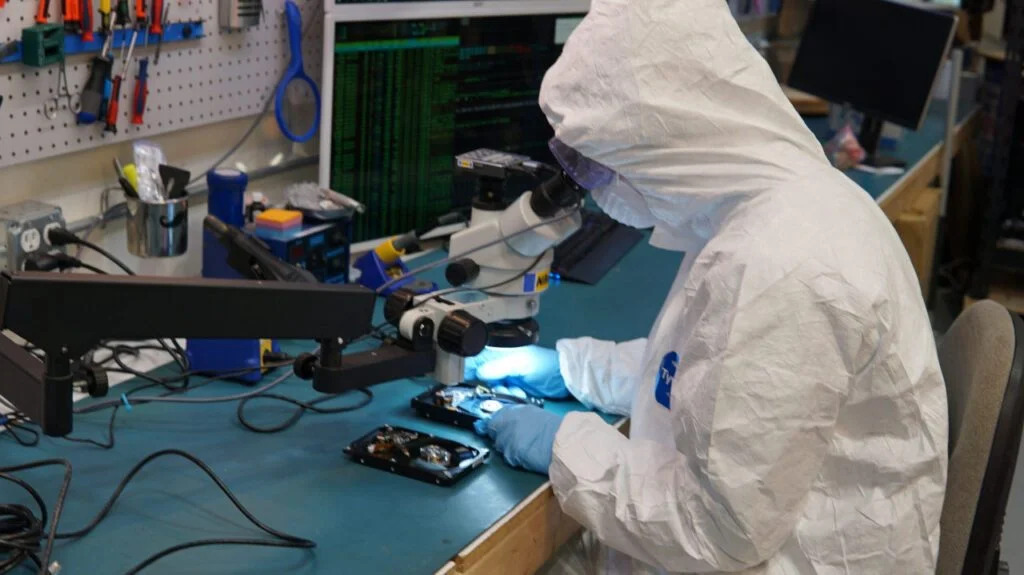
Professional data recovery generally starts with a diagnostic assessment of the affected storage device. Specialists examine the available symptoms to determine whether the problem is related to deleted files, damaged file-system structures, electronic faults, or physical hardware failure. Understanding the cause helps establish which recovery methods may be appropriate.
When the issue is logical rather than physical, recovery techniques may involve locating remaining data, analyzing storage structures, and reconstructing accessible folders. A device with serious hardware damage may require specialized equipment and controlled procedures. Different storage technologies also require different handling, so the recovery process should be selected according to the actual device and its condition.
Jewelry companies looking for [data recovery san antonio](https://jetdatarecovery.com/) can explore professional support when an important storage device becomes inaccessible. Before authorizing work, business owners should explain the type of information involved, ask how the initial assessment will be performed, and request clear information about costs and potential limitations.
No recovery service can guarantee that every missing file will be restored. Nevertheless, a careful assessment can help determine whether useful information remains available and reduce the uncertainty involved in deciding what to do next.
## Preserving Original Jewelry Designs, Gemstone Images, and Custom Manufacturing Specifications
Creative files can represent a substantial investment for jewelry designers. A custom ring project may contain multiple sketches, detailed gemstone measurements, metal specifications, computer-generated models, and notes describing the customer's preferences. If the original project disappears, a finished photograph may not provide enough information to recreate every detail accurately.
Product photography also deserves careful protection. High-resolution gemstone images, lighting setups, retouched photographs, and catalog graphics may be used across websites, advertisements, and sales materials. Recreating an entire image collection can require significant time and may produce inconsistent results if the original photography settings or editing files are unavailable.
Businesses should identify the file formats used by their designers and production teams so they can prioritize the most important materials. Editable design files, original photographs, and approved manufacturing documents may deserve separate backup arrangements from easily replaceable promotional content. Clear folder structures and descriptive file names make it easier to identify recovered materials and determine whether the correct version has been restored.
## Protecting Inventory Information and Supplier Transactions During Unexpected Data Loss
Inventory management is particularly important for businesses handling precious metals, gemstones, and finished jewelry. A digital inventory system may contain product descriptions, item identifiers, purchase costs, quantities, supplier details, and sales information. Losing access to this database can create uncertainty about stock availability and complicate reconciliation between physical items and recorded quantities.
Supplier records also support purchasing and financial planning. Invoices, delivery confirmations, gemstone certificates, and transaction histories may be needed to investigate discrepancies or confirm the details of previous orders. Some information may be available from external suppliers, but rebuilding a complete record from separate communications can take considerable time.
Jewelry businesses can reduce these difficulties by regularly exporting important business records when their software supports it and maintaining secure backup copies. They should also confirm that exported data can be opened and used when required. If a system failure occurs, verified copies may help the business continue essential work while technical specialists investigate the original storage device.
## Keeping Customer Details and High-Value Commercial Information Secure During Recovery
Jewelry retailers often store customer contact information, order histories, custom design requests, payment-related records, and correspondence about expensive purchases. Manufacturers may also possess confidential production methods, unreleased collections, wholesale pricing, and supplier agreements. Such information should be handled carefully whenever an external service provider becomes involved.
Before sending a device for recovery, a business should ask how the provider manages access to stored files, protects customer information, and returns recovered data. Written confidentiality arrangements and clearly defined handling procedures can help establish expectations. Businesses should also review any applicable privacy obligations and contractual requirements before sharing sensitive information.
If files became inaccessible following a suspected cyberattack, the situation requires additional care. Restoring documents does not automatically remove malicious software or prevent another intrusion. Affected systems may need to be isolated and assessed by qualified cybersecurity professionals before they are returned to regular use. Protecting the business and its customers should remain a priority throughout the recovery process.
## Creating a Reliable Backup Routine for Digital Catalogs, Design Projects, and Business Documents
A well-planned backup routine provides jewelry businesses with another source of important information when their primary storage systems fail. Instead of keeping every file on one computer, companies can maintain several copies using different storage locations. For example, an organization might keep a convenient local backup and a separate protected copy stored away from its main working systems.
The backup schedule should reflect how frequently information changes. A designer working on a detailed custom piece may need to save updated project files throughout the day, while a completed seasonal catalog may change less often. Inventory records and financial documents also require a schedule that reflects the business's operational needs and recordkeeping obligations.
Cloud storage can help teams share files across different locations, but synchronization should not automatically be treated as a complete backup. If a file is accidentally deleted or overwritten, that change may spread to connected devices. Independent backups with appropriate retention settings provide another layer of protection and can make it easier to recover an earlier version.
## Testing Restored Files Before Depending on Them for Daily Business Operations
A backup is useful only when the information can be restored successfully. Jewelry businesses should periodically test selected files rather than relying solely on automated completion messages. A backup might omit certain folders, contain corrupted files, or fail to preserve the application data needed to open a design project.
A practical test could involve restoring a sample computer-aided design file, opening a selection of product photographs, and checking an exported inventory report. Businesses should verify that restored documents are readable and that important design details remain intact. If specialized software is required, the company should also confirm that the appropriate application and supporting resources are available.
Recording the results helps identify weaknesses in the backup process. If certain files cannot be restored or take too long to retrieve, the business can adjust its procedures before a real emergency occurs. Regular testing also gives employees greater confidence about where to find reliable copies of important information.
## What Jewelry Store Owners and Designers Should Do Immediately After a Storage Failure
When an important drive becomes inaccessible, the safest first step is to avoid unnecessary activity on the affected device. Repeated restarts, unfamiliar recovery applications, formatting attempts, and new file transfers can sometimes reduce the chances of retrieving deleted information. A device that has suffered physical damage may require particularly careful handling.
If a hard drive produces unusual clicking or grinding sounds, stop using it and seek professional advice rather than repeatedly attempting to open files. If the incident involves suspected malware, follow appropriate security procedures to isolate the affected computer and protect other connected systems.
Business owners should also document the incident. Details such as recent software updates, unexpected shutdowns, accidental deletion, or unusual error messages may help specialists identify the likely cause. Meanwhile, employees can check whether verified backups or unaffected copies are available for essential orders and ongoing customer commitments. Maintaining accurate communication with customers can also help manage expectations if production or delivery schedules are affected.
## Choosing a Data Recovery Provider That Understands Business Needs and Technical Limitations
Selecting a recovery provider requires consideration of technical experience, communication, confidentiality, and transparent pricing. Businesses should ask whether the provider works with the affected storage technology and what the diagnostic process involves. A clear explanation helps owners understand the difference between identifying a problem and successfully recovering the information.
Recovery costs may vary according to the type of device, the severity of the failure, and the complexity of the work. Before proceeding, businesses should request information about diagnostic fees, possible additional charges, estimated turnaround times, and how progress will be communicated. Any estimate should reflect the fact that the actual recovery possibilities may become clearer only after the device has been assessed.
It is also useful to ask how restored files will be delivered and whether the original folder structure can be preserved where possible. Organized delivery can make it easier for designers, sales employees, and inventory managers to identify the materials they need. Realistic expectations and clear communication help businesses make informed decisions during a potentially stressful situation.
## Developing Long-Term Digital Protection Habits as a Jewelry Business Expands
Data protection should grow alongside the business. A small jewelry studio may begin with a single computer and a portable drive, but expanding product collections, additional employees, online sales, and specialized manufacturing software can create more complicated storage requirements. Periodically reviewing these arrangements helps ensure that important files remain protected as operations change.
Businesses can strengthen their practices by assigning responsibility for backups, limiting unnecessary access to sensitive folders, keeping software updated, and training employees to recognize common data loss risks. Consistent naming conventions and documented approval processes can reduce confusion when several people work on the same design or product listing.
A written continuity plan should identify essential files, available backup locations, responsible employees, and the steps required after a major technical incident. The plan should be reviewed periodically and tested where practical. These preparations can help jewelry companies respond more calmly to unexpected failures without losing sight of their customer commitments or production responsibilities.
## Conclusion: Protecting Valuable Digital Assets Through Professional Recovery and Better Preparation
Jewelry businesses depend on digital information to preserve creative designs, manage valuable inventory, maintain customer relationships, and coordinate everyday operations. When important files become inaccessible, the consequences can affect both the artistic and commercial sides of the business. A careful response can help limit disruption and identify realistic opportunities for recovering essential information.
Professional data recovery may help retrieve files affected by certain storage failures, while independent backups, tested restoration procedures, secure information handling, and employee awareness can reduce future risks. By making digital protection part of regular business planning, jewelry retailers and designers can safeguard their creative investment and build a more resilient foundation for continued growth.
Frequently asked questions
Where is How Professional Data Recovery Helps Jewelry Businesses Protect Valuable Designs, Customer Records, and Digital Inventory located?
How Professional Data Recovery Helps Jewelry Businesses Protect Valuable Designs, Customer Records, and Digital Inventory is located at sa, Aïn Feka, Algeria - 454544.
How can customers contact How Professional Data Recovery Helps Jewelry Businesses Protect Valuable Designs, Customer Records, and Digital Inventory?
Customers can contact How Professional Data Recovery Helps Jewelry Businesses Protect Valuable Designs, Customer Records, and Digital Inventory by phone at 9878978978.
Does How Professional Data Recovery Helps Jewelry Businesses Protect Valuable Designs, Customer Records, and Digital Inventory have an official website?
Yes, the official website of How Professional Data Recovery Helps Jewelry Businesses Protect Valuable Designs, Customer Records, and Digital Inventory is https://jetdatarecovery.com/.
Does How Professional Data Recovery Helps Jewelry Businesses Protect Valuable Designs, Customer Records, and Digital Inventory provide email support?
Yes, customers can contact How Professional Data Recovery Helps Jewelry Businesses Protect Valuable Designs, Customer Records, and Digital Inventory via email at [email protected].
Reviews
This listing has not yet been reviewed.
Be the first to share your feedback.