
How to Choose a Gas Engineer in London: Red Flags to Spot Before You Book
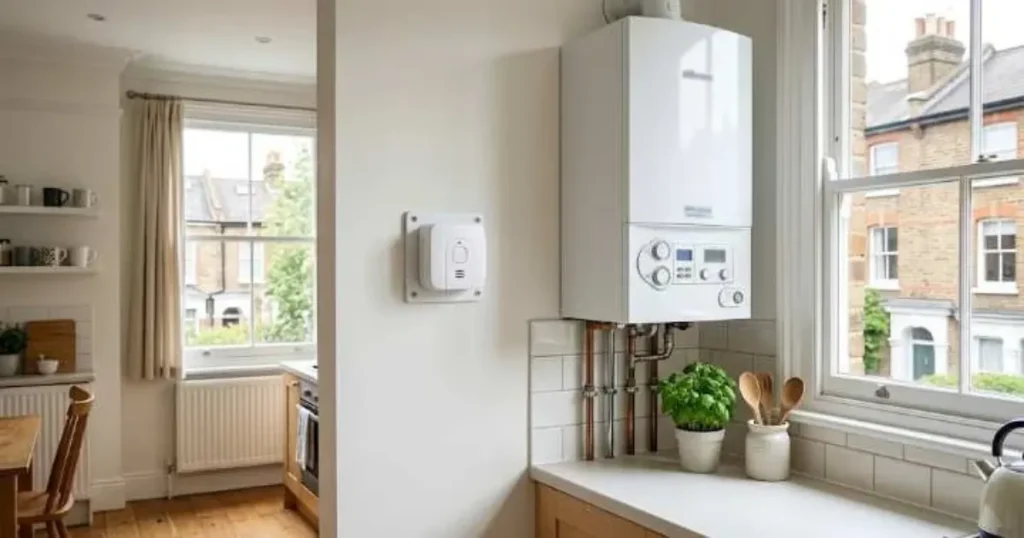
The boiler goes out on the coldest morning of the year, the radiators turn cold and you do what everyone does: you grab your phone and search for someone who can come today. Within minutes you have a dozen names, a handful of five-star badges and one very confident voice on the end of the line promising to be there within the hour.
Hold that thought. Urgency is exactly when mistakes happen. A rushed booking is how homeowners end up paying for work that was never needed, or worse, letting someone who is not qualified loosen a gas fitting. This guide walks through how to choose a gas engineer in London, what to check before anyone touches your boiler and which warning signs should make you politely close the door.
1. The legal bit that actually protects you
In Great Britain, anyone carrying out gas work on a home must be on the Gas Safe Register. That is a legal requirement, not a nice-to-have. It covers boiler repairs, installations, servicing and moving or adding gas pipework. A plumber who is excellent with taps, tanks and radiators but is not Gas Safe registered cannot legally touch the gas side of the boiler.
The reason is simple: badly fitted gas appliances can leak gas or produce carbon monoxide, a colourless, odourless gas that can make you seriously ill. The risk is not theoretical, and it is the reason this one check matters more than any review or price.
2. How to check a Gas Safe engineer in two minutes
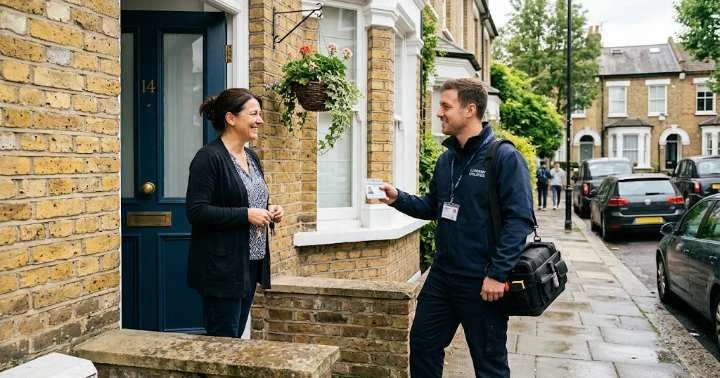
Every registered engineer carries a photo ID card. Do not just glance at it; use it.
- Look at the photo and the name. They should match the person at your door.
- Check the licence number against the Gas Safe Register, either online or by phone, before work starts.
- Turn the card over. The back lists the types of gas work the engineer is qualified for. A licence that covers cookers does not necessarily cover boilers.
- Check the expiry date. An out-of-date card is a red flag in itself.
A genuine engineer expects this and will not mind. If someone gets defensive, “forgets” the card in the van or says the company number is “in the post”, that is your answer.
3. Red flags that should make you pause
Most poor experiences follow a pattern. These are the signs worth knowing before you ever ring anyone:
- Pressure to decide now. “This price is only valid today” is a sales tactic, not a safety requirement.
- A vague or verbal-only quote. Without a written breakdown you cannot compare prices or challenge extras later.
- Cash only, large deposit up front. Honest firms can take card or bank payment and rarely need more than a small deposit for parts.
- No company address or landline. A mobile number and a social media page are not a business you can follow up with.
- Dramatic diagnosis on the doorstep. “Your boiler is condemned and needs replacing today” may be true in rare cases, but it deserves a second opinion and the evidence in writing.
- Reviews that all sound the same. A dozen near-identical five-star comments posted in one week should make you cautious.
4. Where to look for a trustworthy engineer
Recommendations from neighbours are still the best starting point, especially in London, where a reliable local firm already knows the building types, the permit rules on your street and the quirks of cupboard-fitted boilers. Beyond that, look for businesses that explain their work openly instead of only advertising a phone number. It also helps to read how a local firm explains its work. Gas Safe registered gas engineers in London at Olia’s Plumbing & Heating set out what a visit covers on a single page, which is exactly the kind of detail that lets you compare one company against another before you book.
5. Get at least two written quotes
For anything beyond a small repair, ask two or three firms to quote. A good quote is itemised and covers:
- The work to be done and the parts to be used, with brand and model where relevant.
- Labour, call-out charges and VAT shown separately.
- How long the job is expected to take and when the engineer can start.
- What happens if a hidden problem is found, and how any extra cost will be agreed in advance.
- Warranty details for both the parts and the workmanship.
Do not automatically choose the cheapest. A quote far below the rest usually means something has been left out, such as a system flush, proper commissioning or a decent warranty.
6. Know your payment and cancellation rights
Paying by credit card for a purchase between £100 and £30,000 can give extra protection under Section 75 of the Consumer Credit Act, which makes the card provider jointly responsible if something goes wrong. If you arrange work online, by phone or, in many cases, at your own door, you generally have at least 14 days to cancel. If you ask the engineer to start within that period, though, you may still have to pay for the work already done, so ask for the terms in writing (more on your rights).
7. What a good visit looks like
A competent engineer will do several things without being asked. They will show their ID, explain what they are going to check and why, and tell you what they found in plain language rather than jargon. For installations and major repairs they should complete and leave you a commissioning checklist or service record, and register any warranty with the manufacturer. If something is unsafe, a responsible engineer will tell you, label the appliance and explain what has to happen before it can be used again.
You should also leave the visit with answers to a few simple questions: what was done, what was found, whether anything needs attention soon and when the next service is due.
8. Keep yourself safe in the meantime
Whoever you hire, a few habits protect your household:
- Fit a carbon monoxide alarm in every room with a gas appliance and test it regularly.
- Know the early signs of carbon monoxide poisoning: headaches, dizziness, nausea and tiredness, often worse when you are at home.
- If you smell gas, do not use switches or flames. Open windows, turn off the supply at the meter if it is safe to do so, leave the property and call the National Gas Emergency Service on 0800 111 999.
- Keep your service records together in one folder so the next engineer can see the history.
9. When it really is an emergency
If you have no heating and no hot water, the temptation to say yes to the first available engineer is strong. A better approach is to keep a trusted contact saved before you need one. Ask a local Gas Safe registered firm about emergency availability while everything still works, and keep their details with your boiler paperwork. When the worst happens, you can make one quick call instead of a frantic search.
Slow down before you say yes
Choosing a gas engineer is one of the few home decisions where the cheapest and fastest option can be the most expensive in the end. Check the Gas Safe card, insist on a written quote, ask questions and pay in a way that protects you. Done calmly, it takes about ten minutes, and it is a good deal easier than dealing with the consequences of getting it wrong.
Related articles
 Business
How Do Solar Panels Fit Into a Smart Home System?
If you are considering installing solar panels, you may also be wondering how they could fit into a wider smart home system.…
Read more Business
Private Leased Offices in London: How to Plan Space, Costs and Fit-Out
A private lease can give you control of your own suite or floor in London. Before committing, establish which costs and compliance…
Read more Business
Why Retention Matters More Than Sales in a Subscription Business
There's a moment that catches out almost everyone running a subscription business for the first time. Month one goes well. Month two…
Read more Job
Business
Why Your Employee Handbook Needs an Annual Audit
The handbooks that account for the majority of legal problems aren't visibly outdated. At first glance, they often appear modern and attractive…
Read more Business
How to Design a High-Impact Trade Show Booth Without Sacrificing Sustainability
Good design creates less waste. The big savings can be found at the end of the show because that's where most of…
Read more Business
Curved Rental LED Screens: When Are They Worth It?
A flat LED wall is still the right answer for many events. It is clean, familiar, and efficient. But some productions need…
Read more